Florida: the opening chapter.

I arrive in Tampa in May, the project still more idea than territory. Five days ahead of us, beds booked in a loose chain across central and south Florida. Dots on a map. How we connect them stays open. Improvisation for a method.

The first hours in Tampa, St Pete and across the Sunshine Skyway give me a hint of the state. Neither a summary nor a preview; a first contact.

Yellow tubes streaking the sky like blue angels. A photograph you make even if you’re not into it.  So simply graphic.  And it works too.

Roof down, warm rain, the car trying to keep us dry through speed alone. Already I sense the contrast. A place of color I want to photograph in black and white. Saturated postcards next to inland roads you see into grey scales. A place where what you expect rarely aligns with what you find.

I like that I can’t predict what comes next. That sense of not-knowing becomes a sort of mental companion. A reminder that this project only lives if I stay open to surprise.

We avoid highways when we can and roam into the countryside. Canopies of old trees falling over narrow roads. I step out for a photograph and step in fire-ants. Of course. I’ve had worse; still not my finest hour. The picture is worth it though, as always.

Later, a ranch. A gate. A rusted Chevrolet pickup truck waiting behind it. I’m not looking for symbols but if one stands there, why not take it before rust finishes the job.

Back into towns. Fort Lauderdale hits hard for someone who used to spend most of his free time in wild and remote places.

Canals, density, colors tuned upward, boats the size of houses with engines built to escape gravity rather than to glide on water. All of it staged without apology. I don’t photograph the spectacle. Not my thing. Instead, I go for silhouettes of houseboats and palm trees against a purple sky. The B-side of a scratchy vinyl.
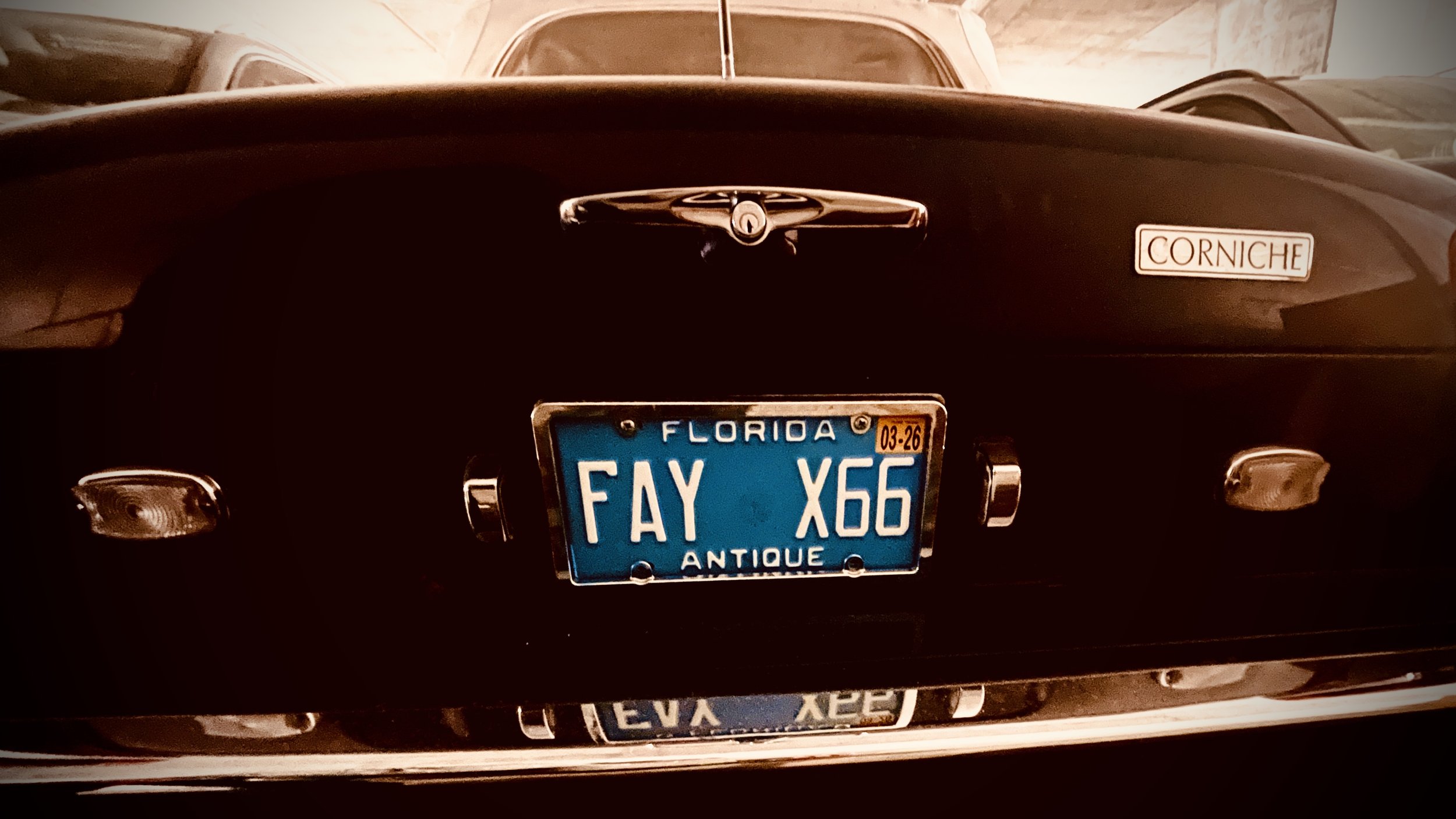
Miami is different. I try to feel the city rather than collect its clichés but I can’t find an entry point. Too many visitors I guess. Too few seams where local life shows through. So I stop trying to force it and do the opposite. I embrace the clichés, on my own terms.

Ocean Drive at 5AM. Art Deco half asleep. Clean sidewalks. Quiet beach with the one guy already setting up for the day.

A photographer once told me to take the “tripod-mark” picture before trying anything inventive. Get the obvious shot, then move on. I do exactly that. Sometimes the postcard is part of the story.

A diner on 11th Street completes that morning walk. Red stools, metal counter, formica tables. The smell of frying eggs drifting across the room. A place where the 50s never ended. Marilyn could walk in for her regular coffee. I feel like I’ve stepped into an Elmore Leonard page.

After an egg’n’bacon breakfast washed down with coffee, I step outside, only to turn back and take a few shots. Morning light painting stripes along the curves of a customer’s face. Shadows within the silver window frame revealing only a very Floridian hand holding a coffee cup, above a chrome napkin dispenser and under a pink neon sign. Poetry to my eyes.

It’s barely seven and the day already holds so much.

The road leans toward the Keys. The Overseas Highway isn’t one road but many, past and present layered side by side. Old bridges left as skeletal remains, turned into semi-natural reefs by simple economics. Too costly to remove, they’re now protected home to blooming marine life. Fishermen spaced along them like beads on a string. The sun high, the wind salty. The road feels like a transition.

In Key West, the Hemingway house stands closed; the garden as wild as the man. His titles move through my mind until a descendant of his six-toed cats walks across the path. Generations keeping the mark. As timeless as his books. 

The Everglades return me to a landscape I’m more familiar with. Less spectacle, more presence in what you might mistake for a barren place.

Dwight takes us out on his airboat, the sound as blunt as the machine looks. Hard to understand him through the accent but easy to sense the person behind it. He doesn’t explain the Glades, he lives them. This place is so dense with life, its architecture shifts even when the water seems still. I spot a baby gator, five inches of black on black water from a moving boat. The wildlife photographer’s eye won’t shut. That earns me some credit!

For the Glades, I leave my cameras behind; I want to live it differently. If I were still into wildlife, I’d have hated myself.

The ride ends in the dark with a heron’s nest at eye level, two chicks waking up every gator trying to fall asleep in a ten-mile radius. A brief moment above the water, etched in my mind instead of on film.

Florida City —more fields than a city— is a pause. A generous owner in an empty Mexican restaurant. A very photographic motel. Good enough.

Driving north I see a field worker dealing with two worn-out water-pump trucks in a corn field. I pass him, point out the scene to Mae, correct the mistake, turn back, park somewhere questionable and walk out to meet him. No common language. No need for one. The light is harsh, worse than harsh, but the scene is the scene. Years of reporting trained me to work inside whatever light the day gives. I shoot a few rolls and leave with that rare confidence: “I got it”.

In the wide green nowhere we step into Clyde Butcher’s gallery (thanks Noella!).

His prints are enormous. Silver on a scale that stops you. The craft behind them is overwhelming. To see that much patience distilled into a single image is grounding. Fewer and fewer people understand darkroom prints now, let alone how hard they are to make. Imagine producing one the size of a wall. Months of work for one photograph. The respect he gets is well-deserved.

We end where we began, Tampa. I take the last image I’ve been waiting for since the start: the Tampa Theater sign lit against the night. It lights me up too. This small trip is part of a larger picture.

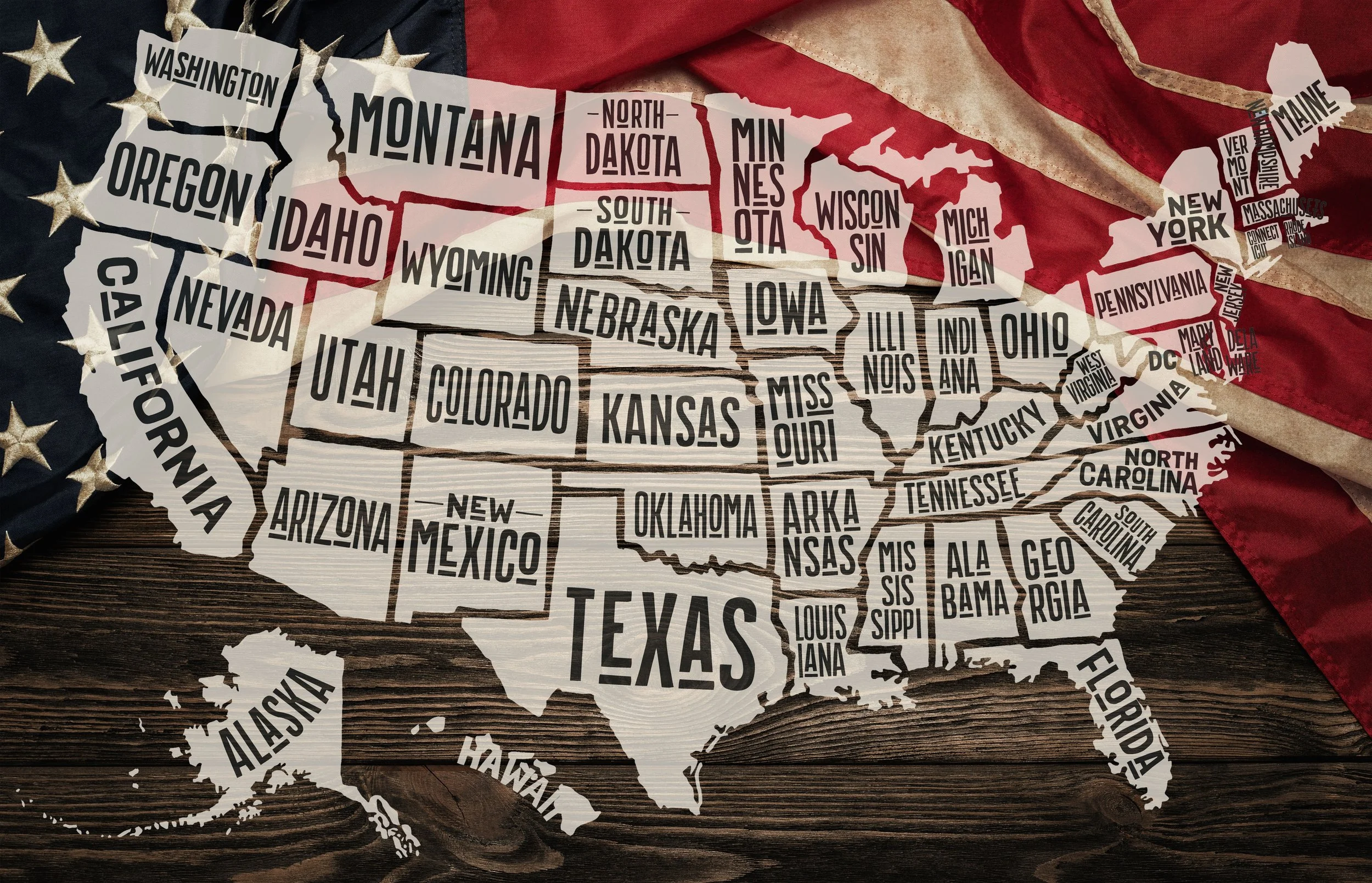
What Clyde Butcher does with his images, I hope to do with this project across the USA. Take the time to see it. Find my place in this larger-than-life environment. Drink the light and the shadows in. Gorge myself with the cultures. Then develop it all, blow it up to a point where you see the grain.

And perhaps, who knows, even make the old dream of a book come true. For now, back to the map and decide where to next.

I’m writing this while Johnny Cash says he’s been everywhere. If I were one to believe in that sort of thing, I’d take it as a sign. You ask me; it’s more of a promising thought.

Forty-nine more states to meet as they come.

Note to self: It always feels like the beginning, until you look back and realize it already was.